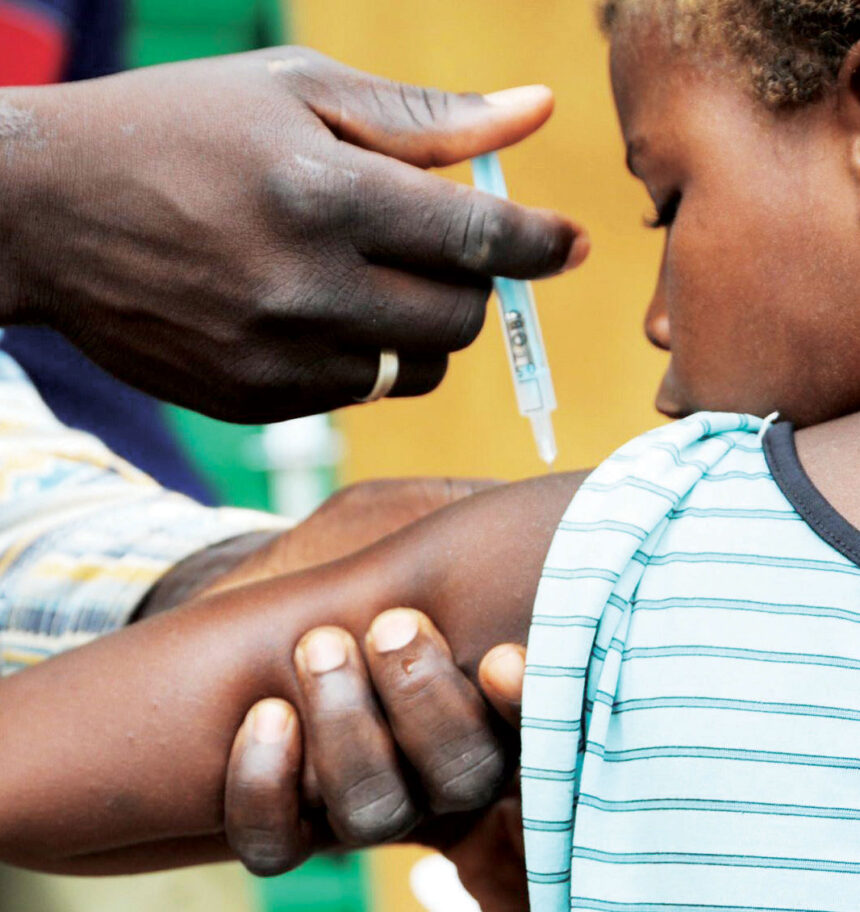
World Health Organisation (WHO) 2024 Global Hepatitis Report says the number of lives lost due to viral hepatitis is increasing alarmingly.
The disease is the second leading infectious cause of death globally, with 1.3 million deaths per year, the same as tuberculosis, a top infectious killer, according to WHO.
The report, released at the World Hepatitis Summit last week, highlights that despite better tools for diagnosis and treatment, and decreasing product prices, testing and treatment coverage rates have stalled.
It says reaching the WHO elimination goal by 2030 should, however, still be achievable, if swift actions are taken now.
New data from 187 countries show that the estimated number of deaths from viral hepatitis increased from 1.1 million in 2019 to 1.3 million in 2022.
- Advertisement -
Of these, according to the report, 83 percent were caused by hepatitis B, and 17 percent by hepatitis C. It further says every day, there are 3,500 people dying globally due to hepatitis B and C infections.
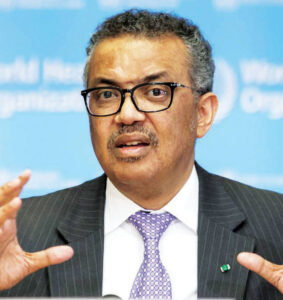
“This report paints a troubling picture: despite progress globally in preventing hepatitis infections, deaths are rising because far too few people with hepatitis are being diagnosed and treated,” WHO Director- General Tedros Adhanom Ghebreyesus said.
He then underscored WHO’s commitment to supporting countries to use all the tools at their disposal, at access prices, to save lives and “turn this trend around.”
Updated WHO estimates indicate that 254 million people lived with hepatitis B and 50 million with hepatitis C in 2022.
- Advertisement -
- Advertisement -
The health agency says half the burden of chronic hepatitis B and C infections is among people 30–54 years old, with 12 percent among children under 18 years of age. Men account for 58 percent of all cases.
New incidence estimates indicate a slight decrease compared to 2019, but the overall incidence of viral hepatitis remains high. In 2022, there were 2.2 million new infections, down from 2.5 million in 2019, WHO says.
These include 1.2 million new hepatitis B infections and nearly one million new hepatitis C infections.
WHO states that despite the availability of affordable generic viral hepatitis medicines, many countries fail to procure them at these lower prices.
“Pricing disparities persist both across and within WHO regions, with many countries paying above global benchmarks, even for off-patent drugs or when included in voluntary licensing agreements.
“For example, although tenofovir for treatment of hepatitis B is off patent and available at a global benchmark price of $2.4 per month, only seven of the 26 reporting countries paid prices at or below the benchmark,” the United Nations agency says.
It has made several recommendations for accelerating hepatitis elimination including expanding access to testing and diagnostics, shifting from policies to implementation for equitable treatment and strengthening primary care prevention efforts.
WHO further suggests mobilising innovative financing and engaging affected communities and civil society and advancing research for improved diagnostics and potential cures for hepatitis B.
According to guidelines for the prevention and management of hepatitis B and C in Malawi, which were issued last year, the country is integrating the prevention, treatment and care of viral hepatitis and HIV.
“Routine, provider-initiated screening for hepatitis B, HIV and syphilis are integrated in all service delivery points that cater to high-risk populations such as pregnant women, people who inject drugs, and healthcare workers,” a preface to the guidelines says.