By Daniel Zimba:
Samama, a locality nestled in Mangochi District, hides a secret: it is a hotspot for schistosomiasis, more commonly known as bilharzia or snail fever. This is a fact cemented in Malawi Liverpool Wellcome Programme (MLW)’s ongoing studies.
Schistosomiasis as a parasitic disease caused by flatworms called schistosomes or blood flukes, which thrive in freshwater snails and infect humans and animals through contaminated water.
Research by MLW indicates that schistosomiasis is particularly prevalent in tropical and subtropical regions, especially within impoverished communities such as Samama, where approximately 5,550 residents have been struggling to access clean water and adequate sanitation.
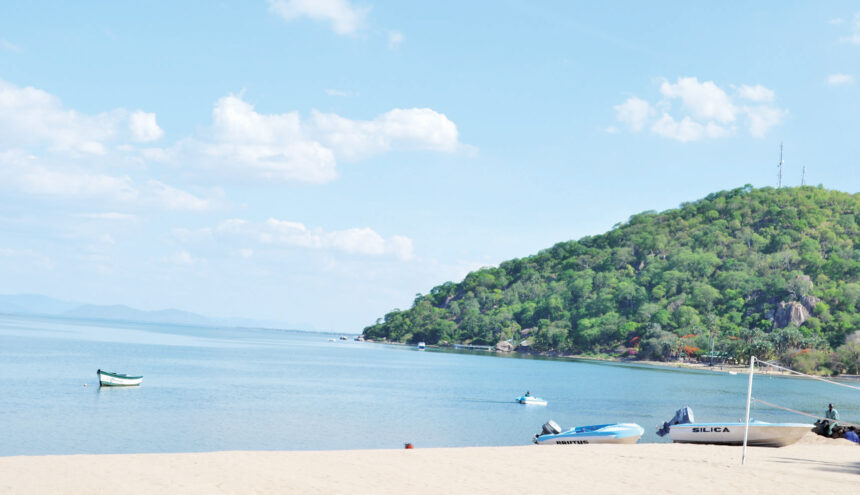
Community members primarily rely on fishing and farming, utilising water from Lake Malawi and the Shire River, despite the inherent health risks associated with these shared water sources.
- Advertisement -
Consequently, the situation has culminated in a dependency on these natural resources, a fact that is gradually changing, courtesy of MLW’s interventions.
Mary Austin, a longtime resident, emphasises the severity of bilharzia’s impact on her community, which has been recognized as a transmission hotspot.
As a mother of three, Austin recalls years of using the same contaminated water sources as livestock and admits that they mistakenly normalised the disease until 2023.
“We relied heavily on the lake for drinking and household chores, and bilharzia has been a persistent health challenge for us,” Austin explains.
- Advertisement -
- Advertisement -
She recounts a shocking moment when she noticed blood in her urine, mistaking it for menstruation—until a hospital visit confirmed her bilharzia diagnosis and necessitated ongoing medication.

“Within the same week, my child showed similar symptoms, leading to another hospital trip and diagnosis. For the condition to completely heal, it would take me close to a year,” she recalls.
She says the situation in her community is perpetuated by Lake Malawi seasonal flooding, exacerbating community members’ struggle for safe water.
Austin appreciates the efforts of the Malawi Government and MLW, lauding them for introducing alternative clean water sources via the Southern Region Water Board and boreholes drilled across the community.
Nevertheless, she expresses concern that many community members still depend on the lake and rivers, even with the availability of safe alternatives.
Flora Majawa, a health surveillance assistant at Mpondasi Health Centre, corroborates Austin’s issues with bilharzia, noting that the strain affecting community members is particularly slow to heal—a matter under scrutiny by MLW researchers.
Majawa states that healthcare officials are actively working to educate residents about the dangers of using lake water for everyday needs and stress the importance of seeking medical attention for any symptoms occurring.
“Despite our efforts to educate the public, fishing remains a key economic activity, and many people still do not grasp the severe risks posed by the disease,” Majawa notes.
She says they have also tried to introduce disease prevention mechanisms.
“Initially, we provided a single course of medication for bilharzia but, after realising that it wasn’t sufficient, we’ve now started administering treatment twice yearly, even for those without symptoms, to enhance community protection. As a result, we see an improvement because reported cases per month have dropped by approximately 50 percent.
“Bilharzia is dangerous; it can lead to infertility and severe complications in organs such as the liver, particularly among children who often play in contaminated water,” Majawa warns.
Under MLW’s research initiative, known as Hybridisation in Urogenital Schistosomiasis (Hugs), community members have gained access to treated water provided by the Southern Region Water Board and boreholes drilled across the region.
MLW’s health research scientist Peter Makaula describes schistosomiasis as a neglected tropical disease that thrives in contaminated water and is the focus of their ongoing research.
“Our study aims to investigate the hybridisation of schistosomes, which contributes to prolonged healing times. We are assessing the effects of these hybrids on schistosomiasis control efforts,” Makaula explains.
They are hopeful that the findings may help them support other initiatives.
“Findings from this research, expected to conclude by December 2025, are intended to support global initiatives to eliminate schistosomiasis by 2030,” Makaula says.
Makaula highlights that Malawi has made limited progress in tackling the disease, but is hopeful that Hugs study findings will pinpoint gaps and provide recommendations for improvements, to align with the global commitments.
The MLW is undertaking the research with support from the Malawi Government, Kamuzu University of Health Sciences, Liverpool School of Tropical Medicine and National Institute for Health Research.
The research is taking place using 12 collection sites for freshwater snails which carry schistosomiasis in Chikwawa, Nsanje and Mangochi districts and has been ongoing cumulatively since 2023.
Meanwhile, Group Village Headman Khungwa’s counsellor, Shadreck Kazira Wagi, praises the study for showing positive results in managing bilharzia within the village.
Wagi acknowledges that while community members are slowly adapting to using clean water sources, the transition from traditional practices is a gradual process.
“With time, we see more residents recognising the need to abandon contaminated water as they witness the health challenges their children face, leading them to heed our advice,” Wagi points out.