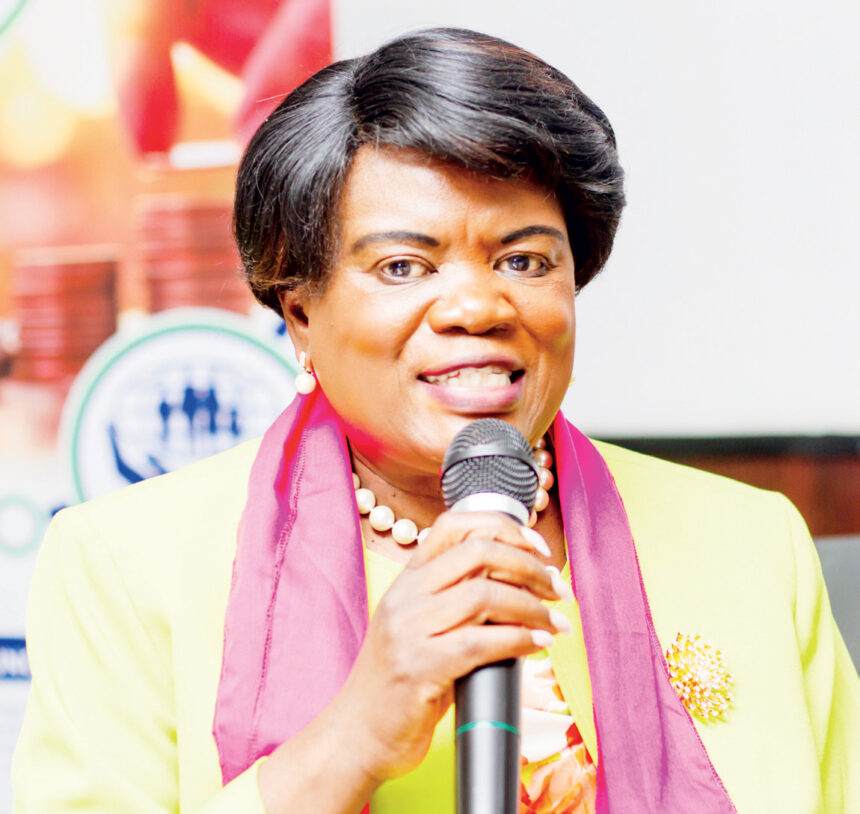
When the Global Women Leadership Network (GWLN) was introduced in Malawi a few years ago, many women entrepreneurs immediately embraced the idea.
Today, those women are making remarkable strides, transforming their lives, their families and their communities.
What began as a small sisterhood of women in the cooperative and financial sectors has grown into a nationwide movement of empowerment, mentorship and leadership.
The network’s motto, ‘Inspire. Connect. Empower’ has become a guiding light for women determined to lead with purpose and create a lasting legacy.
GWLN–Malawi Sister Society brings women from across the country together for “Leading with purpose— creating a lasting legacy.”
- Advertisement -
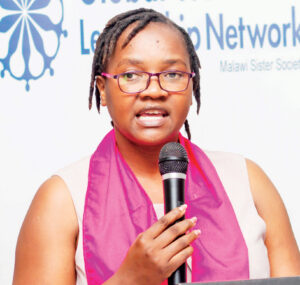
GWLN-Malawi Sister Society Chairperson Mphatso Pheleni-Msyali says that when women are empowered, everyone benefits.
“Our goal is not just to inspire but to create real change that leaves a lasting footprint,” Pheleni-Msyali says.
Women’s leadership can make the biggest difference, including through education, economic empowerment, breaking stereotypes and building leadership capacity.
During a recent event, Vice- Chancellor of the Malawi University of Science and Technology Professor Address Malata who challenged women to build their legacies with patience and persistence.
- Advertisement -
- Advertisement -
“A legacy is not built in one day. It’s a process. Women must be patient, focused and ready to work hard. You must polish your skills and show that your contribution is unique,” Malata told the audience.
She stressed the need for self-care in the pursuit of success.
“Women wear many hats as mothers, wives, professionals and caregivers. Sometimes you must slow down, rest and look after your mental health.
You cannot pour from an empty cup,” Malata said.
Her message on education also struck a chord. She called for more investment in early childhood and higher education for girls and encouraged entrepreneurship training for young women.
Fumbani Nyangulu, a HeForShe advocate and Patron of Inclusivity Programmes in the Savings and Credit Cooperatives (Saccos) sector, said that both faith and social justice can make a strong case for gender equality.
“There is no separate air for men and women. We all breathe the same. If we can all have equal opportunities, the world will be a better place,” he said.
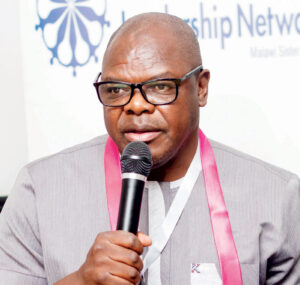
Nyangulu urged women leaders to embrace servant leadership and to mentor younger women in their workplaces. But he also warned against leaving men behind.
“We are raising a generation of young men who are losing confidence. Let’s empower both girls and boys because strong women and strong men build strong societies,” he said.
For Madalo Khoza, a community leader and active GWLN member, the network’s power lies in its reach from urban professionals to women in the villages.
“We don’t just share stories; we share knowledge. What they learn, they share with women in my community, especially those struggling to start something of their own,” Khoza said.
Jessy Mwanyongo, one of the women who has benefited from GWLN programmes, said joining the network opened her eyes to new possibilities.
“My message to women is simple: don’t work in silence. Join groups, attend workshops and meet other women. You’ll always learn something that pushes you forward. And when you’re inspired, inspire someone else,” she said.
Her advice was met with nods and applause. Many in the room had similar stories of finding strength through connection, courage through mentorship and hope through shared experience.
As the conference came to a close, Pheleni-Msyali’s final words lingered in the air: “Let’s lead with purpose and create a world where women have equal rights, opportunities and freedom to choose their own paths. That is the legacy we want to leave behind.”
Through the leadership of the GWLN-Malawi Sister Society, women are now taking up influential roles across Saccos in the country.
According to statistics, out of the 34 licensed Saccos in Malawi, 18 are led by women chief executive officers (CEOs), representing about 52 percent.
When Saccos still under incubation are added to the count, bringing the total to 41, 19 women CEOs are at the helm, a strong 46 percent representation.
“This narrative was very different 10 to 15 years ago. We used to have only five percent women in CEO positions. We are moving indeed,” Pheleni- Msyali said.