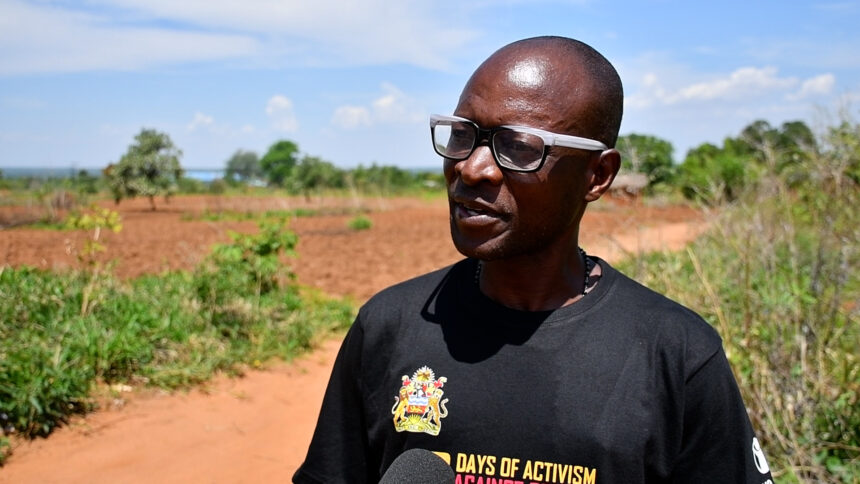
As Malawi commemorates the 16 Days of Activism Against Gender-Based Violence, one question continues to rise above the speeches, campaigns and rallies: Where are the men?
For years, the fight against GBV has largely been carried by women’s rights organisations, activists and survivors themselves.
Yet experts warn that without meaningful involvement of men and boys, Malawi’s efforts to reduce violence will remain painfully slow.
According to the Malawi Human Rights Commission (MHRC), one in every three women in the country has experienced some form of violence in her lifetime; many at the hands of partners, relatives or men within their communities.
Behind these statistics are shattered families, broken confidence and long-term trauma.
- Advertisement -
But change is possible and it begins with men choosing to play an active role.
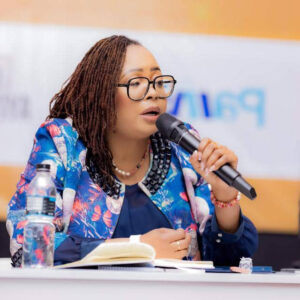
Gender expert and activist Habiba Osman says tackling social norms that glorify male dominance is key.
“Violence does not begin with a slap or a kick. It starts with beliefs; beliefs that men must control, dominate and be feared,” she says.
Osman also says men must be part of community dialogue to challenge these attitudes and raise healthier boys.
- Advertisement -
- Advertisement -
She adds that traditional initiation ceremonies, religious teachings and even jokes shared among male peers often reinforce harmful stereotypes.
“We need men who can stand up and say: This is not who we are, and this is not the Malawi we want,” Osman says.
Experts say that boys often learn how to treat women by observing the men around them.
When fathers show respect towards their partners, share household duties and communicate without violence, they set a powerful example.
“Children repeat what they see,” social worker Chimwemwe Banda says. “If a child grows up watching his father insult or beat his mother, he learns that this is normal.”
Encouraging men to be present, nurturing, and emotionally expressive is one-way communities can break the cycle of violence from one generation to the next.
Across Malawi, several organisations are working with male champions; ordinary men who volunteer to speak out at funerals, weddings, school meetings and village gatherings.
The male champions confront issues like early marriage, intimate partner violence and sexual abuse, often using their own life experiences to influence other men.
Rodrick Kamwana is a trained male champion at Suwale in Balaka.
Kamwana says his work revolves around ensuring the protection and proper nutrition among women and children.
He says there have been a reduction in incidences of GBV since he started his work in the area.
“We are checking and eliminating some negative male codes and beliefs, because most people in the area and indeed across the country used to believe that they can do many things without consulting their wives but since we started, we have seen men engaging their wives on various issues.
“We are also checking other deep-rooted behaviours that promote negative masculinity in boys because even simple things like the toys parents buy for their children, can lead to the development of negative masculinity in children,” Kamwana says.
Osman concurs with Kamwana saying that men should not view GBV campaigns as attacks on their masculinity, but rather as invitations to build safer communities.
“True masculinity is about protection, not violence,” Osman says.
With rising reports of domestic violence, defilement and online abuse, experts are calling on an urgent shift on how society views the role of men.