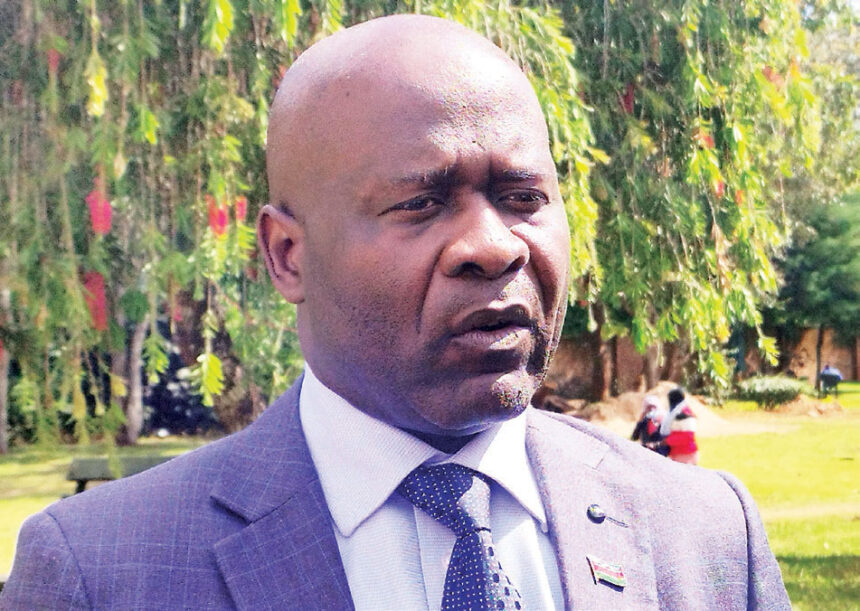

The Malawi Energy Regulatory Authority (Mera) has hinted at considering an annual review of electricity base tariffs in the country, a migration from the current arrangement where a review is done every four years.
This was disclosed in Mzuzu on Friday at a public hearing session organised by Mera on an application by Electricity Supply Corporation of Malawi (Escom) to raise electricity tariffs by 69.7 percent within the next four years.
Mera Chief Executive Officer Henry Kachaje said the proposal would give people an upper hand to easily track Escom’s performance.
Kachaje said as part of reinforcing transparency and accountability mechanisms, the regulatory authority is pushing Escom to be publishing quarterly reports on Key Performance Indicators.
“We have also received recommendations that the reviews must not be done only after four years. But whatever key performance indicators we agree with Escom and other players in the industry, we should be able to give them feedback at least annually,” he said.
- Advertisement -
Kachaje said Mera is also working on reviewing some laws in the energy sector to, among other things, give the authority administrative powers to sanction players that fail to meet their obligations.
In his submission, consumer rights activist John Kapito said there is a need to have the tariffs resonating with customers’ earnings.
Kapito said it is unfortunate that only 13 percent of Malawians have electricity, arguing that, by now, at least 80 percent of the population should have been connected to the grid.
Escom Chief Operations Officer Maxwell Mulimakwenda said the utility company is working towards ensuring enhanced effectiveness and efficiency.
- Advertisement -
- Advertisement -
In 2018, Escom asked for a 60 percent price adjustment but was allowed to adjust its electricity tariffs by 30.1 percent until 2022.
According to Escom, between 2018 and 2022, at least 150 people have been connected to the grid.
It expects to connect at least 240,000 other customers by 2027.
If successful, this will push the national access to electricity rate to 17 percent from the current 13 percent. But Malawi aspires to have at least 30 percent of its population having access to electricity by 2030.