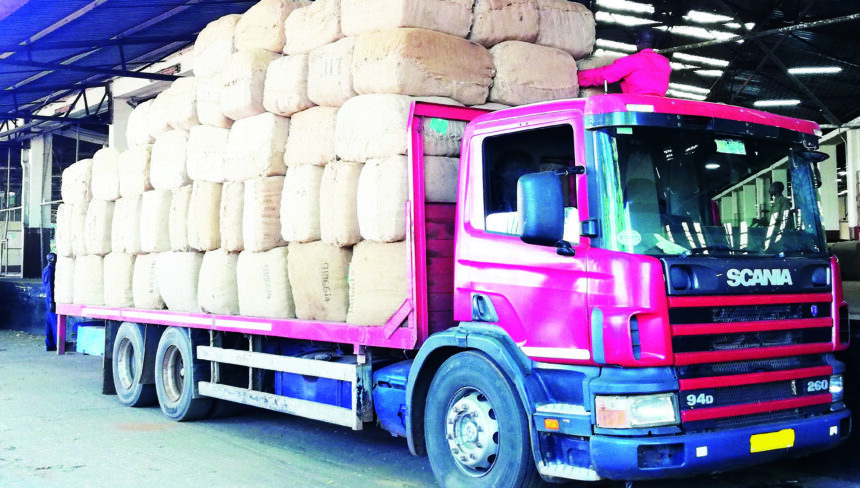
Malawi’s effort to reduce dependence on tobacco and diversify its agricultural production base has yielded less fruit, with the leaf still accounting for nearly 60 percent of export earnings.
This is according to a Foreign Trade Statistics Report by the National Statistical Office (NSO).
The report is covering the period between 2020 and 2024. According to the report, in 2024, tobacco earnings were valued at K952.6 billion, out of K1.62 trillion in total exports that year.
This means the country remains vulnerable to foreign exchange shortages. According to the report, total exports rose from K575.4 billion in 2020 to K1.65 trillion in 2024. During the same period, imports grew from K2.14 trillion to K5.55 trillion. Malawi’s exports remained heavily dependent on agriculture, which accounted for about 90 percent of domestic exports in 2024. Tobacco alone contributed 58.9 percent to the export earnings.
Fuel dominated the imports bill, at K939.4 billion, followed by machinery, fertiliser, vehicles and electrical equipment.
- Advertisement -
The NSO report shows that Malawi recorded widening trade deficits with most of its major trading blocs except the European Union.
Commenting on the trade statistics, Economics Association of Malawi President Bertha Chikadza said there was a need to put in place measures that would help the country boost exports and manage foreign exchange effectively.
She said Malawi should also accelerate exports of non-traditional products such as macadamia nuts, soybeans, groundnuts and horticultural crops to reduce overreliance on tobacco.
“There is a need to move from exporting raw materials to exporting finished products. This requires significant investment in industrialisation and manufacturing in line with the Malawi 2063 vision,” Chikadza said.
- Advertisement -
- Advertisement -
Economist Maury Siyasiya said Malawi must create a conducive investment environment by lowering the cost of doing business and discouraging the export of raw materials.
In an earlier interview, Trade and Industry Minister Simon Itaye acknowledged that structural challenges continued to affect export growth.
He said the government was promoting agro-processing and value chains in commodities such as groundnuts and soybeans to support import substitution and increase exports.