By Mike Mataka:
Zomba Mental Hospital, long burdened by stigma, underfunding and crumbling infrastructure, is no longer what it used to be.
Not just in appearance, but in purpose, philosophy and impact. What once stood as a symbol of isolation is now becoming a place of renewal.
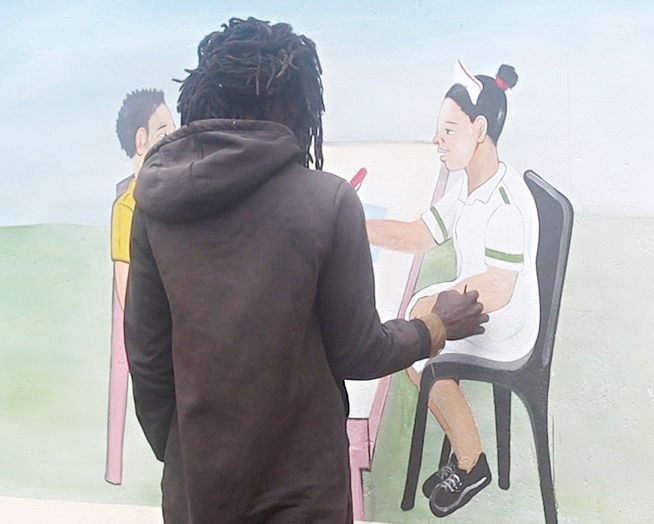
The freshly painted walls surrounding the hospital tell part of the story.
Look closer, at the hands behind the paintbrushes and the hopeful eyes behind the work and a fuller narrative emerges. The painters are the patients.
- Advertisement -
For decades, people living with mental illness in Malawi have been misunderstood, feared and excluded.
Even after clinical recovery, many face rejection from employers, neighbours and often their own families.
For some, that isolation has been more damaging than the illness itself, triggering relapses rooted in stress, hopelessness and loneliness.
Zomba Mental Hospital has taken a stand against that cycle.
- Advertisement -
- Advertisement -
Led by John Khonje, head of the hospital’s Rehabilitation Department, a new initiative is placing skills training at the heart of recovery.
Each patient is assessed based on their interests and abilities. They are then trained not only as a form of therapy but as preparation for reintegration into society.
“When we realised that many re-admissions were caused by stigma and rejection after discharge, not the illness, we knew we needed to change our approach,” Khonje said recently.
Walking through the hospital grounds now feels like entering a training centre. There are flowerbeds where rubbish once piled and fresh paint on walls that were once crumbling.

The hospital’s Director Raphael Piringu calls it a turning point.
“We are not just treating people; we are equipping them. They leave here with the tools to rebuild their lives,” Piringu said.
Already, local residents and businesses are requesting services from the hospital’s newly trained painters.
In response, the hospital has opened personal bank accounts for the patients so they can be paid directly; a move that signals not only trust but belief in their value.
“Some of these people will leave and earn a living with their hands. They will be able to support their families and walk into a community saying, ‘I have something to offer.’ That is real recovery,” Piringu added.
At the centre of this shift is the need to confront Malawi’s deeply rooted stigma around mental health.
Professor Chiwoza Bandawe, a mental health expert at Kamuzu University of Health Sciences, underscores the importance of acceptance.
“Mental illness is just that; an illness. People recover from it. We must allow them to reclaim their place in society,” Bandawe says.
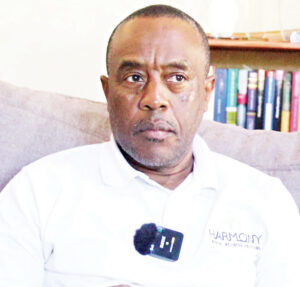
He supports the skills training model, saying it gives patients a chance at meaningful life beyond treatment.
“We need to stop fearing mental illness and start understanding it. Programmes like this do not just heal patients, they educate communities,” Bandawe adds.
But as the paint dries on Zomba’s walls, many outside those gates still carry burdens.
“Before, I felt like I was a mistake. But now I know I am useful. I want to go back home and help my community. I want to build, not break,” one former patient said.
The initiative at Zomba Mental Hospital is an institutional breakthrough and a national call to action.
For policymakers, it is time to stop treating mental health as an afterthought. Laws must be strengthened to protect people with mental health histories from employment discrimination.
Support systems should extend beyond discharge, ensuring no one recovers only to be forgotten.
For donors, the message is clear. This is a model worth expanding. Low-cost, high-impact and rooted in dignity, the Zomba approach shows that with the right tools, every person can rebuild.
For communities, the challenge is simple but significant: look again. See the person, not the illness. Open the door. Offer a chance. Listen to the stories that do not make the news.
Because healing is not a solitary journey. It is one that society must take together.