Tradeline Corporation, through its subsidiary Local by Limited, is building structured markets for potatoes— supermarkets, hotels and export channels.
“Before, farmers sold through vendors or externalised without proper channels,” says portfolio consultant Victor Mphedwa. “Now we bring sanity and a reliable market.”
These are not small shifts; they are the beginnings of a new agricultural economy.
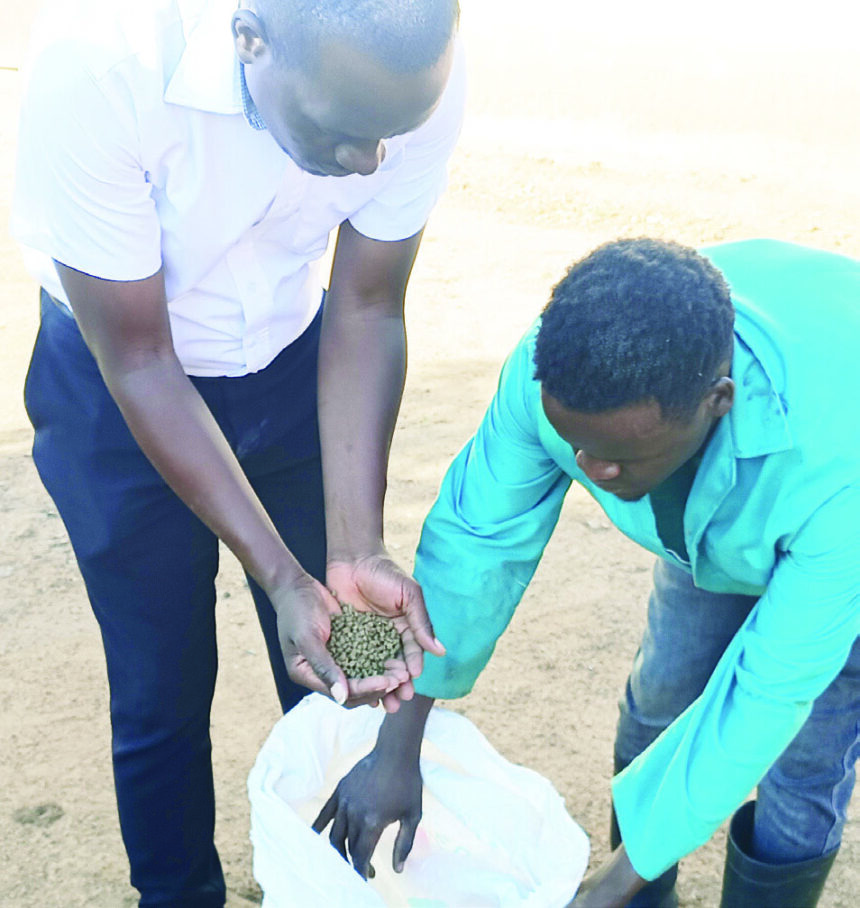
In Kaphiri, Lilongwe’s industrial quarter, Teren Agro Limited is turning cassava flour into something unexpected: floating fish feed pellets.
Once imported from Zambia at significant cost, this key aquaculture input is now proudly Malawian.
- Advertisement -
“Business is good,” says director Temwanani Phiri. “Fish farmers appreciate that they can now get the feed locally.”
In Madisi, Dowa, Sarah Gunya, founder of Dalitso Farm, stumbled into sweet potato value addition almost by accident.
In 2019, a bumper harvest rotted in storage due to lack of market.
Desperation sparked creativity.
- Advertisement -
- Advertisement -
“We produced sweet potato flour to extend shelf life,” she says. “Now we have five products: mandasi flour, porridge flour, crackers, biscuits.”
Dalitso Farm now cultivates five acres and contracts farmers, supplying vines and purchasing their produce.
What was once food for the poor is becoming food for the shelves.
For years, the Embassy of Ireland has played a pivotal role in strengthening Malawi’s root and tuber sector. Through partnerships with the Malawi Government and the International Potato Centre, they have supported drought-resistant sweet potato and cassava varieties.

“Farmers growing potatoes and cassava are not food insecure,” says Sarah Mackan, Head of Cooperation.
“These crops are climate-resilient. Cassava, especially, needs water only to germinate and then thrives through the dry season.”
In a climate-challenged future, such resilience is not a luxury, it is a lifeline.
The Agriculture Commodity Exchange for Africa (ACE) is ensuring that root and tuber growers do not remain hidden from the marketplace.
Their Zaulimi App, available on Google Playstore, allows farmers to access buyers for both raw and processed products.
“Even those without smartphones can use SMS,” says Bertha Mtema.
For the first time, root crops are entering the digital economy.
None of these national advancements have shifted Thomas’s understanding of a meal.
He respects cassava, enjoys sweet potatoes, even knows their nutritional value.
But none of that changes what he feels when he sits down at the table.
“Hunger,” he repeats, “is when you sleep without eating nsima.”
It is the kind of hunger defined not by biology but by culture, routine and identity.
The kind of hunger that persists even when plates are full.
Malawi’s dilemma is not simply agricultural. It is psychological.
It is not a failure of crops but a failure of imagination.
A nation abundant in root crops goes hungry because its people do not consider those foods a true meal.
Climate change is rewriting the rules of farming.
But unless Malawi rewrites the rules of eating, the country will continue to starve amid plenty.
For millions like Maliko Thomas, the path to food security lies not just in fields and factories, but in the far more intricate terrain of cultural change.