By Prince Henderson:
The knock is gentle but deliberate. In many villages across southern Malawi, it often marks the beginning of a life-saving intervention.
On the other side of the door may be someone living with a persistent cough, a symptom frequently dismissed as minor but one that could signal tuberculosis (TB).
For many individuals, that timely knock from a trained community volunteer comes at a critical moment—when early detection can mean the difference between prolonged illness and recovery.
Across 13 districts in Malawi’s southern region, a quiet but determined network of Community Sputum Collection Point (CSCP) volunteers is reshaping the fight against TB. Moving from house to house and extending their outreach to churches, trading centres, drinking places and informal mining sites, these volunteers are initiating important conversations about a disease that remains widely misunderstood and often detected too late.
- Advertisement -
Armed with bicycles, basic but practical training and a strong sense of duty, the volunteers are bringing essential health services closer to underserved communities. They are also helping to break down stigma, dispel misconceptions and encourage people to seek medical care early.
Their work forms part of a Global Fund-supported programme implemented by Development Aid from People to People (Dapp) Malawi in partnership with World Vision Malawi.
Running from 2024 to 2027, the initiative is designed to strengthen community involvement in TB detection, referral and treatment support.
The impact of this approach is already becoming evident. In 2025 alone, community-led interventions identified 1,354 TB cases, surpassing the annual target of 1,026 and highlighting the effectiveness of community-based strategies.
- Advertisement -
- Advertisement -
Behind these figures are real people, real struggles and life-changing moments.
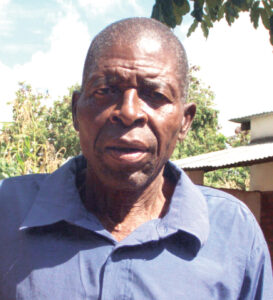
In Paiva Village, Traditional Authority (TA) Ngabu, in Chikwawa District, Lucia Nsangatale recalls the visit that changed her life.
For weeks, she had been coughing and feeling weak, assuming it was a minor illness that would pass.
“I had been coughing for some time but I did not realise it could be TB. When the volunteers explained the symptoms and encouraged me to go for testing, I decided to seek help and I am grateful they came to our village,” she said.
After the visit, Nsangatale went to St Montfort Health Facility, where she was diagnosed with TB and immediately started treatment.
Today, she is steadily recovering.
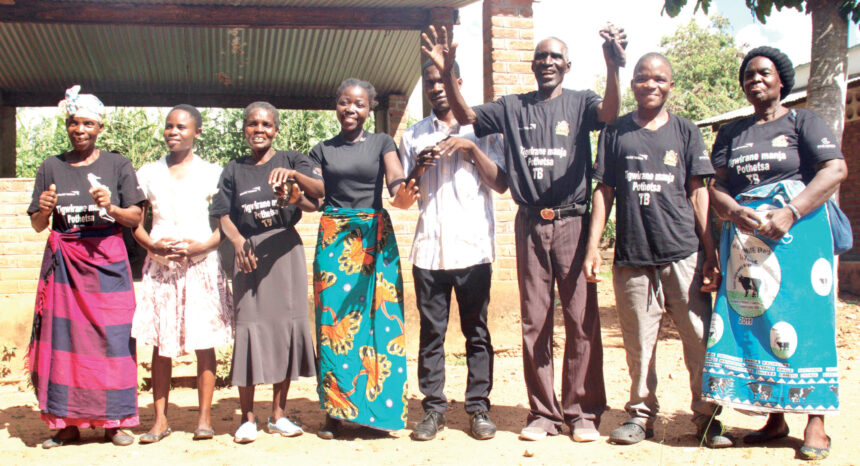
The volunteers who reached her are part of the Paiva CSCP, a group of 10 trained community members, four men and six women, who conduct household visits and awareness campaigns aimed at promoting early detection and treatment.
At the heart of this effort are community volunteers who serve as the first and often most accessible point of contact for individuals at risk.
Alfred Chadauka, chairperson for Paiva CSCP, said their work focuses on awareness and early identification.
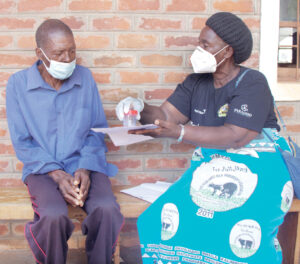
“Our work involves visiting households and educating people about TB symptoms such as persistent cough, fever, night sweat and unexplained weight loss. When we identify someone who may have TB, we counsel them and encourage them to visit the health facility for testing. Before the training, many of us did not fully understand TB or how it spreads but, now, we are able to educate others and ensure that suspected cases are referred [to healthcare service facilities],” he said.
Traditional leaders are also playing a key role in supporting the initiative and mobilising community members.
Group Village Head Paiva said local leaders have a responsibility to safeguard community health.
“We, as traditional leaders, are custodians of our people’s wellbeing and we cannot remain passive while preventable diseases such as TB continue to affect our communities. The volunteers are doing important work by bringing knowledge and services closer to the people and we are committed to supporting them and encouraging our communities to seek treatment early,” he said.
In Phalula, Balaka District, volunteers are extending their reach into high-risk environments where transmission is more likely due to close human interaction.
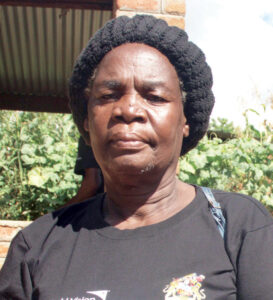
“We conduct TB awareness sessions and symptom screening in places where many people gather, such as mining sites and drinking places. When we identify individuals with symptoms, we encourage them to visit a health facility for testing,” said Ellen Tebulo, chairperson for Phalula CSCP.
For Genius Mungomo, a CSCP volunteer and church elder, awareness begins in trusted community spaces.
“I use church gatherings to share information about TB symptoms and encourage people to seek testing if they suspect they may have the disease,” he said.
For Levison Masamba, a 66-year-old farmer from Liwonde Village, TA Phalula, that awareness proved life-saving.
“When the volunteers explained the symptoms of TB, I realised that what I had been experiencing might be serious and they encouraged me to go to a health facility for testing,” he said.
Diagnosed with TB in June 2025, he is now on treatment and receiving continued support from community volunteers.
“The volunteers continue visiting me to encourage me to take my medication properly and their support has helped me stay committed to my treatment,” he said.
Now recovering, he is encouraging others to be acting early.
“TB can be treated. If you have a cough for many weeks, you should go to a health facility as soon as possible,” he said.
For implementers, the success of the programme lies in its community-centred approach.
Vanessa Phiri, Project Lead at DAPP Malawi, said empowering communities is key to improving outcomes.
“When communities are equipped with knowledge and skills, they become part of the solution by identifying cases early, supporting patients throughout treatment and helping to reduce the spread of TB,” she said.
She said the programme strengthens links between communities and health facilities, ensuring continuity of care and follow-up.
Phiri added that collaboration has been critical in scaling up impact.
“Through our partnership with World Vision Malawi and the Global Fund, we have trained volunteers, supported outreach activities and strengthened referral and follow-up systems, which are critical for improving detection and treatment outcomes,” she said.
At Montfort Hospital, these community-driven efforts are translating into improved service delivery.
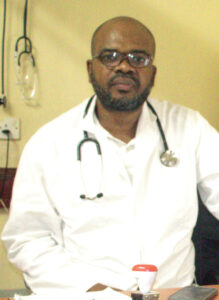
Dr Olivier Mapan said the model has enhanced early detection and treatment initiation.
“We are now identifying more TB cases earlier and starting treatment promptly, and the improved linkage between communities and the facility ensures that patients are not lost to follow-up,” he said.
He added that community volunteers are improving treatment adherence through follow-ups and counselling, contributing to better treatment completion rates.
The hospital has also expanded diagnostic services.
“We offer key diagnostic services free of charge for vulnerable patients, including chest X-rays and ultrasound services where needed. This strengthens our ability to provide accurate and timely diagnosis,” he said.
As the programme continues to expand, the message being delivered to community members remains clear.
“TB is preventable and curable. If you have a persistent cough, fever, night sweat or weight loss, go to the nearest health facility for testing. Testing and treatment are free, and early treatment leads to full recovery,” Mapan explained.
He urged community members not to delay seeking care.
“Do not fear or hide your symptoms. Seeking care early protects both you and your loved ones,” he said.
Back in the villages, the work continues quietly but consistently. A volunteer arrives on a bicycle, steps up to a door and knocks. It is not just to ask a question, but to offer a chance at recovery.
Inside, a conversation begins. It can lead to early diagnosis, timely treatment and, ultimately, a second chance at life.