



By Isaac Salima:
The Church of Central Africa Presbyterian (CCAP) General Assembly has hit out at the government and called for immediate solutions to the socio-economic hardships facing the country.
In a letter issued yesterday through its Church and Society Programme, the assembly raised several issues before stating that: “The suffering of Malawians has moved beyond hardship into systemic injustice.”
“However, we must speak truthfully: good intentions do not fill fuel tanks. Policy assurances do not put food on the table. A widening gap now exists between official efforts and the lived realities of ordinary Malawians. This gap is no longer merely economic; it is a crisis of trust.”
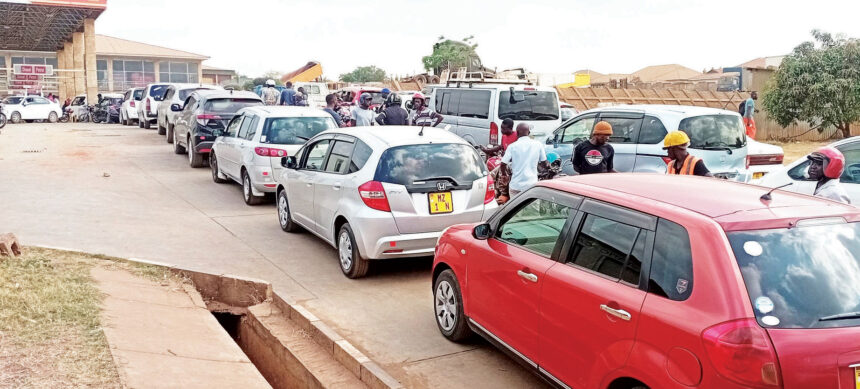
It also cites persistent fuel shortages, the rising cost of living, regressive taxation systems, an unreliable electricity supply and growing rural vulnerability as key challenges.
- Advertisement -
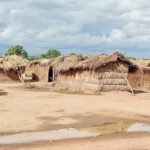
“Many Malawians today live in what scripture describes as a ‘sun-scorched land’ (Isaiah 58:11),” the letter says.
It further calls attention to the plight of farmers in the country, citing unfair tobacco pricing structures, unstable and exploitative markets for farm produce, delayed payments and weak bargaining systems.
The church has called on the government, Parliament, the private sector, civil society and development partners to take “immediate, coordinated and transparent action”.
It has urged full transparency in fuel procurement and foreign exchange allocation, stronger oversight mechanisms to restore public confidence and protection for those who expose corruption and mismanagement.
- Advertisement -
- Advertisement -

On immediate economic relief measures, the church has called for a review of taxation on essential goods to ease the burden on vulnerable households.
It has also urged the introduction of targeted support for key sectors such as public transport and agriculture and the development of a fair and progressive taxation framework.
Minister of Information Shadric Namalomba said the government had taken note of the issues raised by the church and “commends it for doing so.”
“The current administration remains committed to improving the people’s livelihoods through various strategies which we have often spelt out,” Namalomba said.
Malawi continues to face forex, fuel and electricity challenges.
Forex shortages date back four years and have been attributed by authorities to low export volumes compared with imports.
The forex shortage has also affected fuel supply, while the fuel situation has worsened recently due to ongoing conflicts in the Middle East.