Malawi’s inflation trends have sparked contrasting views between economists and the Reserve Bank of Malawi (RBM) following the release of November figures showing the first decline in five months.
Renowned economist and academician Winford Masanjala, speaking during the World Bank’s recent Malawi Public Finance Review, criticised the RBM’s monetary policy framework, arguing that high interest rates are penalising government borrowing without addressing the real drivers of inflation.
“Government is the single largest borrower in Malawi. Why would the banker to government set the interest rate so high that its own major stakeholder is unable to borrow?” Masanjala said.
He stressed that inflation in Malawi is largely driven by food prices and foreign exchange movements rather than money supply growth, adding that lowering the policy rate would not worsen inflation.
In contrast, RBM Deputy Governor Kisu Simwaka, writing on his Facebook page, welcomed the latest National Statistical Office (NSO) data showing inflation fell to 27.9 percent in November from 29.1 percent in October, mainly due to lower food prices.
- Advertisement -
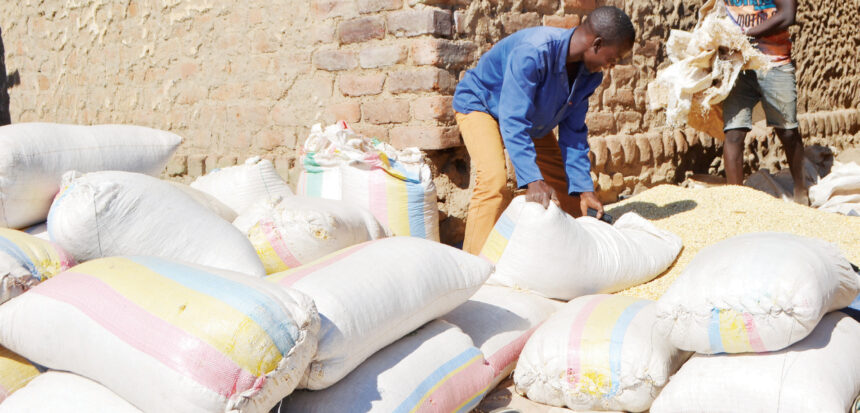
Food inflation dropped to 30.1 percent from 32.4 percent, supported by a 6 percent decline in maize prices to K1,168 per kilogramme. However, non-food inflation edged up to 24.2 percent from 23.8 percent.
Simwaka described the decline as “a step in the right direction” and noted that if sustained it could open policy space to reduce interest rates.
“The RBM has kept the policy rate at 26 percent since January 2024 to stabilise the kwacha, and reducing rates prematurely could fuel inflation and deplete reserves.
“Inflation is expected to ease further as food availability improves, with traders offloading maize stocks and government imports arriving.
- Advertisement -
- Advertisement -
“Meteorological forecasts point to normal to above-normal rainfall in the 2025-26 season, raising prospects of continued stability in food prices,” Simwaka said.