Msowoya’s journey from Mzuzu Prison to Malawi University of Business and Applied Sciences
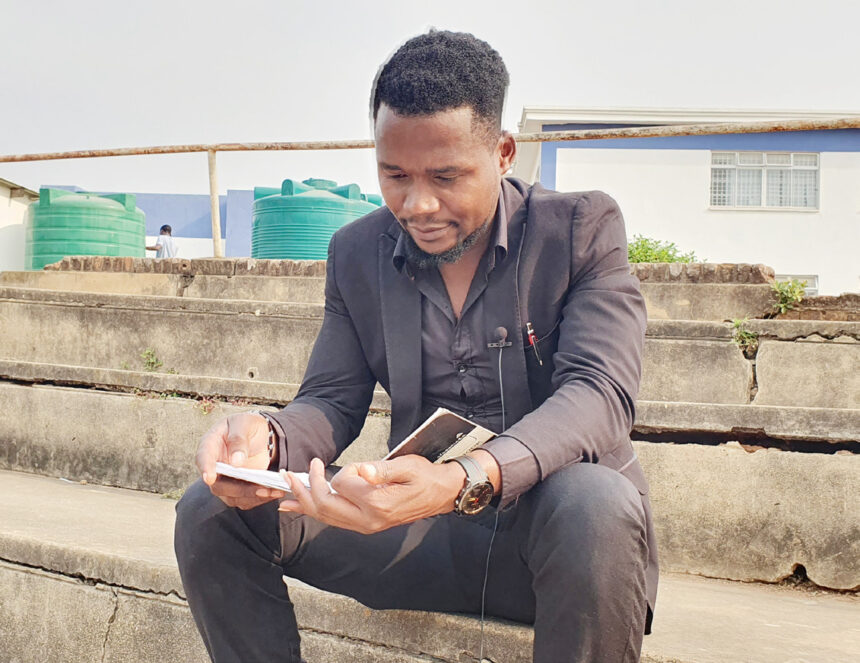
At 9 am on a Thursday last week, Father Msowoya is already on campus, flipping through his notes ahead of a Business Administration class presentation.
Three years ago, at the same hour, he was standing for roll call inside the walls of Mzuzu Prison.
Today, the 24-year-old from Rumphi is a second-year student at Malawi University of Business and Applied Sciences (Mubas).
He was serving a 7-year jail sentence when he passed MSCE exams with 16 points.
In 2021, Msowoya was working at Chipiku Plus in Mzuzu when police arrested him and two colleagues on suspicion of theft.
- Advertisement -
Msowoya said he and other two colleagues were taken to Mzuzu Magistrate Court where they were sentenced to 7 years after being found guilty of the offence.
He insists he did not commit any crime.
Inside Mzuzu Prison, life was tough, he said. But he noticed there was one luxury: time for someone to study.
He took advantage.
- Advertisement -
- Advertisement -
With limited resources and no tutor, Msowoya built his own study routine, driven by a purpose to not just pass MSCE exams but also pass well.
He said he did not want to waste the years in the darkness of prison with regretting. Instead, he resolved to utilise the time for his education.
True to his dream, he passed his exams well. That result changed everything for him. It bought him freedom.
He has applied to study Business Administration (Marketing) at Mubas and he was successful.
“This made authorities to pardon me,” Msowoya said.
Behind every misfortune is also something positive, he suggested.
“People should accept when faced with challenges and try their best to overcome them because we all face problems in different ways but that should not discourage us,” he said.
Msowoya is among several students studying at local universities after being selected from the prison walls. But there are more that are stuck there as they await a pardon.
The Centre for Human Rights Education Advice and Assistance (Chreaa) has been at the forefront of advocating for such pardons for students that qualify for university entrance.
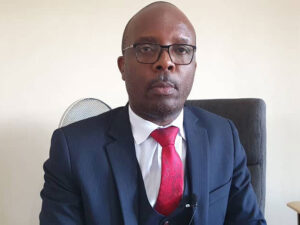
can be a key prison reform
Chreaa’s Executive Director Victor Mhango said some people think that every prisoner is a criminal who cannot change.
“There could be some elements within the prison service that refuse to change but that there are many success stories there,” he said.
“So far, of all the prisoners who were pardoned after being selected to go to universities, no one has recommitted any offence. They are good students and most of them are role models,” Mhango said.
He said Chreaa is pushing for policy change.
“If the government can continue releasing such prisoners that are selected to universities, that can be one of the key reforms that a country should embark on,” he said.
He said there are nine prisoners who were selected to the universities but are yet to be pardoned.
“There is a danger that these may lose their places,” he said.
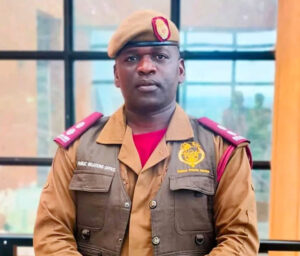
Malawi Prison Service Spokesperson Steve Meke said the service places priority on education for inmates as it is central to correction.
“For inmates, education is not just about reading and writing, it helps to reduce idleness,” Meke said.
He said Malawi Prison Service is also investing in its own staff for improved education delivery within the walls of Malawi’s prisons.
“We have invested in professional development. Our officers are getting advanced training in teaching,” he said. “We also keep working with other organisations that promote education and human rights.”
Back at Mubas, Msowoya now moves between lectures, assignments and group work – life away from the dim lights of crowded cells and uncertainty over one’s future.