By Rogers Siula, contributor:
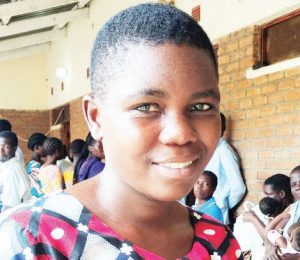
Elube Mhone, 18, from Karonga, experienced blindness for six months due to diabetes. Two years before, she had been a regular outpatient at Nyungwe Community Hospital, interrupting her education after being selected to Ngala Community Day Secondary School.
Elube was only screened and diagnosed with diabetes after losing her sight in October last year.
Signs and symptoms had been accumulating during her outpatient visits, with the worst being when she was suspected of being pregnant due to her consecutive hospital visits.
“She used to sweat a lot and drink a lot of water. During one of the visits to our local clinic, my sister was asked to take a pregnancy test, which turned out negative.
- Advertisement -
“Throughout the two years of her struggle, she was never screened for diabetes, and the situation worsened until she became visually impaired,” Oreen Mhone, Elube’s sister and caregiver, says.
The turning point came one morning when Elube woke up unable to see. Despite opening her eyes, she was engulfed in deep darkness, only able to hear voices.
“I couldn’t believe what was happening. I woke up in total darkness, and each time I opened my eyes, my hope of regaining my vision was shattered.
“I cried out loud but the situation didn’t improve as weeks and months went by. This ordeal hurt me deeply,” Elube recalls.
- Advertisement -
- Advertisement -
Due to her illness, she became isolated and experienced loneliness, rejection and stigma.
In March this year, Elube was referred to Karonga District Hospital, where she underwent a successful operation that restored her eyesight. She now hopes to resume her education.
“Being out of school for over two years has been a huge setback in my life. Nonetheless, I am thankful to the hospital staff for restoring my sight.
“I hope to find my place in the school where I was selected to start my secondary education. It is never too late; destiny can be delayed but not denied,” she says.
Luckson Chiphiko, the Non-Communicable Diseases (NCD) Coordinator and Pen Plus Coordinator for Karonga District, emphasised the importance of early screening for NCDs, highlighting Elube’s case as a clear example of the need for timely intervention.
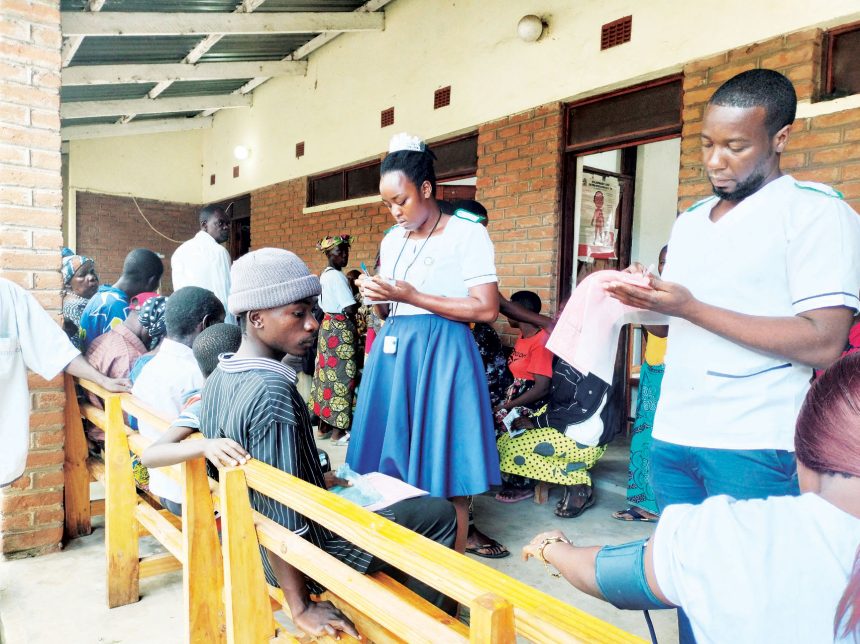
The district introduced a special NCD clinic in July of the previous year, which has facilitated faster identification of NCD cases through mass community screenings.
Additionally, a standalone NCD infrastructure is being constructed to enhance patient care.
During a supportive supervision visit by Unicef, Partners in Health, United Nations Development Programme, World Diabetic Foundation, Hemsley Charity Trust and the Ministry of Health, it was discovered that since its establishment in July of the previous year, the NCD clinic in Karonga has registered 533 patients, including 321 children under the age of 18.
Rumphi District Hospital was also visited, and as of April, the district had registered 1,678 NCD patients.
In an interview, District Medical Officer Tapunda Phiri echoed Chiphiko’s sentiments, stressing the need for increased investment in the detection, management and treatment of NCDs.
“In our case, we face staff shortages and the workload can become overwhelming. The availability of NCD drugs is also inconsistent.
“Given the resources, we need more outreach services to cater for clients who live far away,” Phiri said.
Phiri further highlighted that Unicef provided training for the management of advanced NCDs through Partners in Health in Rumphi.
According to Unicef, NCDs pose significant challenges to the dreams of children due to many unmet needs.
Mesfin Senbete, the Unicef Malawi Health Specialist, reiterated the importance of taking an active role in addressing NCDs so that children suffering from NCDs are not left out of the health system and care.
“Children and young people with NCDs require the necessary support to survive and thrive. We need to ensure that children that have NCDs, especially from underprivileged families access comprehensive health care.
“Unicef through generous support from partners like Eli Lilly and Hemsley Charity Trust is providing support to some districts to fill the gaps that are identified by the Ministry of Health as critical to advance the agenda of NCDs. It is just a start up, there is a need for more investment,” Senbete said.
The National Action Plan for the Prevention and Management of Non-communicable Diseases (2017 – 2022), initiated by the Malawi Government, aims to elevate the priority of NCDs.
This plan was designed to establish and bolster national policies and plans for the prevention and control of these diseases.