
By Wanangwa Tembo:
At the end of the month, salaries are paid and like many others, Jimmy Yosofati, a primary school teacher from the populous Chitete Township in Kasungu Municipality, rushes to the bank to make a withdrawal.
The bank is crowded and there is a long queue at the automated teller machine.
Yosofati waits for about an hour before it is his turn. After withdrawing a bundle of K5,000 notes, he knows he will need to join another queue to pay his water bill at the Malawi Post Office building.
“In Malawi, you have to queue for everything. You queue to deposit money; you queue to withdraw it. At the bank, at the filling station, at the water board—everywhere, you spend long hours waiting,” he laments, wiping sweat from his brow
- Advertisement -
After paying his water bill, Yosofati faces yet another queue to purchase electricity units. This routine will repeat next month.
Malawi has low adoption rates for digital financial services, with many still relying on traditional cash payments.
The Reserve Bank of Malawi (RBM) notes that this reliance is costly and drains scarce foreign exchange reserves.

RBM spent over K23 billion last year reprinting damaged currency notes, according to Deputy Governor Macdonald Mafuta Mwale.
- Advertisement -
- Advertisement -
“If more Malawians adopt digital financial services, our projections suggest this expenditure will decrease as the demand for printed notes drops,” Mwale explained during the launch of a national awareness campaign on digital financial services in Kasungu.
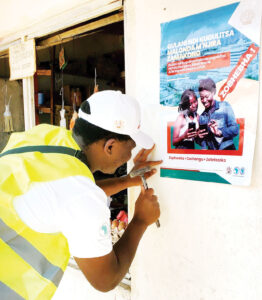
The campaign, aimed at creating a cashless economy where financial transactions are conducted electronically, is spearheaded by the Ministry of Finance through RBM with financial support from the African Development Bank.
Funded to the tune of $14.3 million, the campaign, which began in July, will cover all 28 districts to promote digital payment methods among communities.
“The world is going digital; Malawi should not be left behind. Using digital methods will reduce our need to produce physical Kwacha, lowering production costs and conserving our scarce foreign exchange,” Mafuta Mwale said.
He added that keeping money at home is risky, with dangers like fire.
“Digital platforms offer safety and simplify transactions, allowing payments from the comfort of your home with goods delivered to you,” Mafuta Mwale said.
However, he acknowledged potential risks such as fraud and unreliable networks.
“We need to educate people on protecting themselves from scams and address issues related to network reliability as part of the campaign,” he said.
The RBM official further stated that the government will collaborate with service providers to enhance network signals and reduce obstacles to digital adoption, including phones, internet access, ATMs, banks, points of sale and digital village banking.
The campaign targets marginalised groups, including women, people with disabilities, youths, small and medium enterprises, internally displaced individuals the illiterate, and rural populations.
“We aim to reach every part of the country to raise awareness about the benefits of digital financial services,” Joshua Kunkumbira, the campaign lead for Kasungu and Dowa districts, said.
Kunkumbira added that rural communities, including those involved in village banks and recipients of social cash transfers, need education on the advantages of digital services.
“Village banks should transition to digital platforms. We must also engage with youths in business and people with disabilities to understand and address their challenges,” he said.
The campaign will also tackle issues such as fraud, phishing schemes, over-indebtedness, social engineering scams, data and identity theft and emerging innovations to protect users from fraudulent schemes.
Kunkumbira said the goal is to increase awareness of digital financial services, build consumer trust and help people navigate associated challenges.
“We want to change perceptions and improve understanding of risks, consumer guidelines, costs, and benefits to encourage adoption,” he explained.
Albert Mafusile of the African Development Bank said the bank believes digital financial services are safe, efficient and cost-effective.
“Our aim is to ensure that Malawians can enjoy the convenience and security of digital transactions as long as they have network access,” Mafusile said.
He added that while access to digital financial services is growing, they have not yet reached everyone.
“This campaign provides an opportunity for financial services to showcase their offerings. As the public becomes educated, it will be easier for them to start using these services.
“We want an inclusive financial services sector that leaves no one behind, and we hope our partnership with Malawi continues to grow,” he said.—Mana