


The World Bank has revised downwards Malawi’s economic growth projection for 2026 to 2.3 percent, citing rising global risks linked to conflict in the Middle East and surging energy prices.
According to the June edition of the Global Economic Prospects (GEP) Report, Malawi’s real Gross Domestic Product (GDP) growth in 2026 represents a 0.3 percentage point downgrade from the institution’s January forecast.
Although the projection is higher than Malawi’s estimated growth of 1.9 percent in 2025, it falls below the government’s 2026 growth target of 3.8 percent.
The World Bank projects Malawi’s economy to rebound gradually to 2.7 percent in 2027 and 3 percent in 2028.
The report attributes the weaker outlook to escalating tensions in the Middle East, which have disrupted global energy and commodity markets, increasing costs for energy importing countries such as Malawi.
- Advertisement -
“The conflict in the Middle East has triggered sharp increases in energy prices, renewed inflationary pressures, and fuelled expectations of tighter monetary policy,” the report reads.
The Bretton Woods’ institution projects the global economic growth to slow to 2.5 percent in 2026 from 2.9 percent in 2025, marking the weakest expansion since the Covid-19 pandemic.
The report further cautions that if energy supply disruptions become more severe and trigger financial stress, global growth could fall to as low as 1.3 percent in 2026.
According to the report, disruptions to energy and commodity supplies from the Gulf region have caused sharp price increases, with overall commodity prices expected to rise by 22 percent in 2026, reversing the 7 percent decline projected in January.
- Advertisement -
- Advertisement -
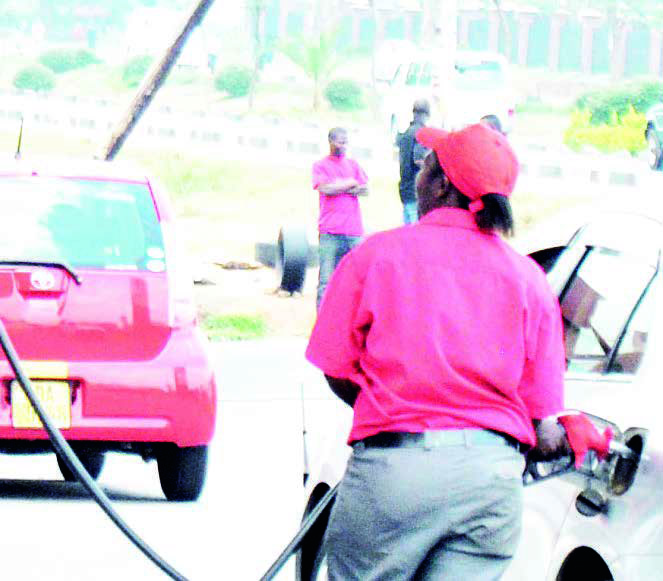
Brent crude oil prices are expected to average $94 per barrel in 2026, representing a 36 percent increase over 2025 levels and more than 50 percent above the January projection.
The World Bank warns that higher fuel costs could worsen inflationary pressures and strain fiscal positions in low-income economies that depend heavily on imports.
Economist Marvin Banda said Malawi’s vulnerability to such global shocks stems from structural weaknesses in the economy.
“Malawi is an import dependent economy with limited fiscal space, chronic foreign exchange shortages and a narrow export base. Consequently, global shocks tend to hit the country harder than they do more diversified economies,” Banda said.
In Sub-Saharan Africa, economic growth is projected to ease to 4 percent in 2026 before recovering to an average of 4.4 percent in 2027 and 2028. The 2026 regional forecast has also been revised downward by 0.3 percentage point since January.
The report notes that many African economies are grappling with rising energy and food prices amid constrained public finances.
The World Bank has since called for stronger policy action to address these challenges as well as stronger international cooperation to safeguard energy and food security while supporting the global trading system.