By Kingsley Jassi:
A bumpy start in trade leaves Malawi with a $540 million deficit over the first two months to February, rising from last year’s $468 million during the same period.
However, the deficit slightly reduced in percentage points, from 82.5 percent last year, same period, to 80.6 percent, according to monthly economic reviews by the Reserve Bank of Malawi (RBM).
The country needs to reduce the gap to zero but low industrial output has led to more imports than exported, creating balance of payment challenges that cause forex scarcity and exchange rate pressures.
With low industrial output also hampering economic growth, authorities hope for improvement this year, projecting 3.8 percent growth, although World Bank is more cautious and sees a 2.3 percent growth.
- Advertisement -
Malawi Economic Justice Network Executive Director Bertha Phiri is afraid that there are less efforts on the ground to reduce the worrying trade deficit urging, authorities to make tangible interventions amid emerging shocks that worsen the outlook.
Economics Association of Malawi President Bertha Chikadza said energy challenges have potential to disrupt growth projection as they limit industrial productivity.
“Industrial and manufacturing output is severely hampered as many Malawian firms are forced to rely on expensive diesel generators during frequent electricity blackouts.
“This significantly inflates the cost of doing business, leading to reduced production levels and cost-push inflation as businesses pass these expenses to consumers,” she explained when asked on how the ongoing energy challenges would affect economic performance.
- Advertisement -
- Advertisement -
She said for a sector focused transformation and commercialization, electricity is vital for cold storage and agricultural value addition.
So far, authorities cite some quick measures that include ban of maize seed imports and facilitation of local fertilizer manufacturing from this year to cut on heavy imports and reduce cost of production, according to Minister of Finance, Economic Planning and Decentralization, Joseph Mwanamvekha.
He also previously shared that collaborative efforts with Ministry of Industrialisation, Business, Trade and Tourism and the central bank would see strategic industrial projects driving growth and addressing forex woes, although no details have been shared.
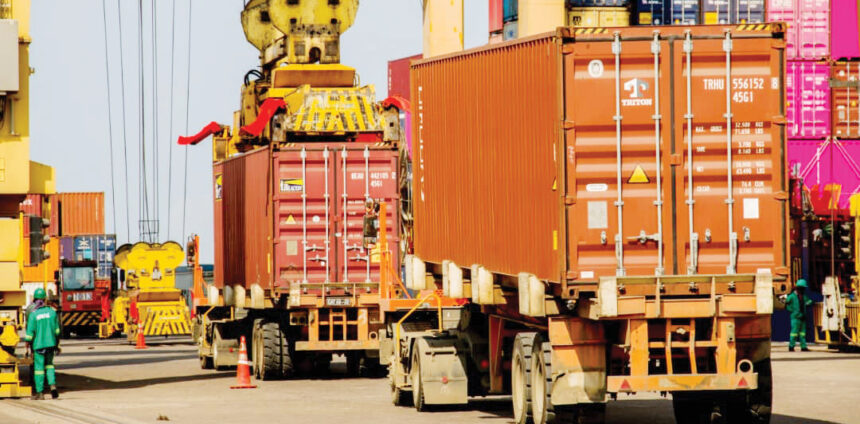
In January and February, about $130 million worth of goods were exported against imports worth $670 million. This compares to $99.4 million that was generated in exports last year, same period, while imports were at $567.8 million.
As usual, this year’s exports have started with tobacco dominance, at $75 million, representing over half. Last year, Malawi exported goods worth $966 million and imported $3.6 billion goods.