By Kingsley Jassi:
The Malawi Economic Justice Network (Mejn) has expressed concern over what it rates as weak budget oversight.
It says this is giving the fiscal authorities excessive control, thereby creating room for abuse.
This was said on Friday when Mejn engaged members of the Budget and Finance Committee of Parliament on the revised 2025-26 budget.

Mejn Executive Director Bertha Phiri said lack of oversight undermined checks and balances, which she said were principles highlighted in the Public Finance Management Act (PFMA).
- Advertisement -
This is said to have led to the ballooning of public debt, now at K21.6 trillion, driven largely by unchecked domestic borrowing.
The situation had Mejn call for reforms that limit the freedom of the Treasury in domestic borrowing as that has proven to be a blank cheque subjected to serious abuse.
The analysis by Mejn recommends that the Finance Minister should be given a reasonable budget deficit limit to curb unsustainable domestic borrowing.
“What happens now is that the Finance Minister is allowed to present a deficit budget and there is no limit. That allows the minister to borrow domestically without limit,” Phiri said.
- Advertisement -
- Advertisement -
She said, in recent years, revenue performance had been below the targets while expenditure had been exceeding the threshold.
The poor revenue performance, according to the Mejn analysis, has been driven by low tax and non-tax revenue while donor inflow has not been consistent with the budgeted amounts.
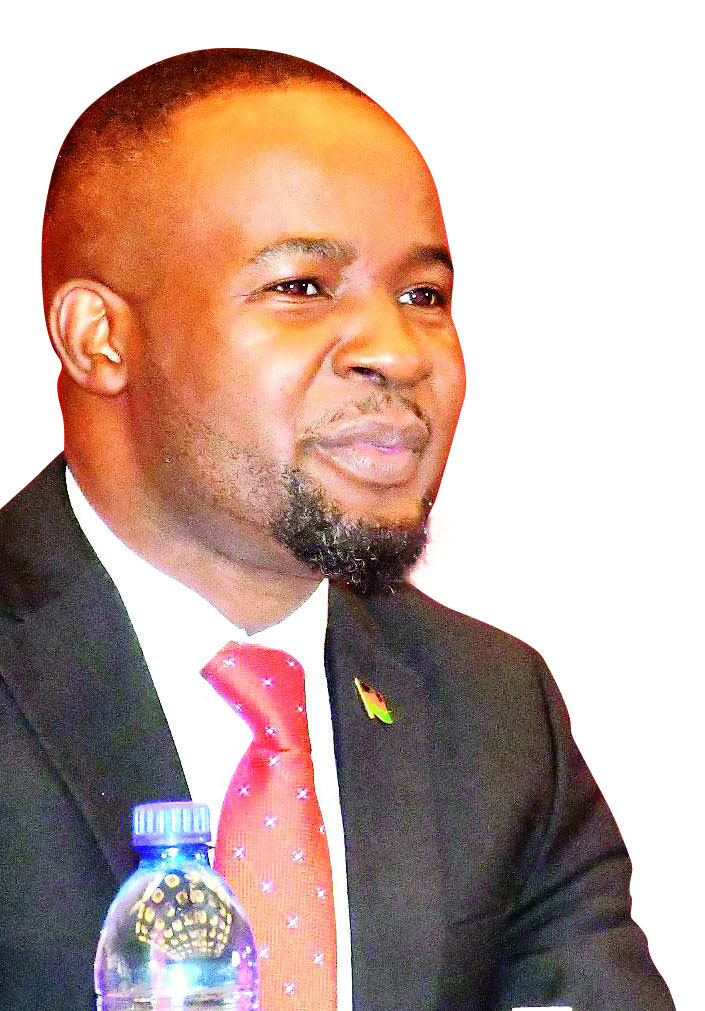
Chairperson for the Budget and Finance Committee of Parliament Sosten Gwengwe said government expenditure had not been consistent with revenue levels and the economic situation, suggesting cuts on benefits by top officials, including Cabinet ministers, members of Parliament and top civil servants.
“When we went to Washington to negotiate the ECF (Extended Credit Facility) that lapsed, we were asked why top officials from the presidency to parliamentarians and other prominent figures were not paying taxes yet the people we claim to represent paid taxes,” Gwengwe said.
Gwengwe also called for policies and interventions that stimulate productivity, citing night-time economic activities.