
By Elijah Banda:
Climate change is one of the most pressing issues facing the world today. The impacts of rising temperatures, extreme weather patterns and shifting ecosystems are already being felt globally, with consequences that are likely to last for generations.
While it is true that all generations are affected by climate change, it is the youth who will bear the burden of its long-term consequences.
As the majority demographic in many countries, young people have a critical role to play not only in responding to climate change but also in shaping a sustainable future for all.
The challenges posed by climate change, particularly to the youth, require active involvement in both local and global actions to ensure a better future for them and all world inhabitants.
- Advertisement -
Young people today are not only witnesses to climate change; they are also agents of change. They have the power to influence public opinion, drive policy change and encourage sustainable practices within their communities.
Youth-led organisations and movements like Fridays for Future, led by Greta Thunberg, have shown how young people can inspire global action through advocacy and protests.
By organising rallies, writing petitions and engaging in environmental activism, they bring attention to the urgent need for policy shifts that prioritise climate action.
Furthermore, youths are skilled in using digital platforms to amplify their message, making it easier for them to reach global audiences and influence political leaders.
- Advertisement -
- Advertisement -
With access to technology and vast networks, youths can play an instrumental role in shaping public discourse on climate change.
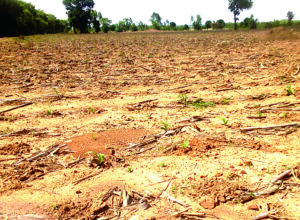
While the reality of climate change affects everyone, it is the youth who face the longest and most severe consequences. Natural disasters such as floods, droughts and hurricanes disproportionately affect young people, especially in developing countries.
These disasters often disrupt education, displace families and create economic instability, which has lasting effects on a generation’s ability to thrive.
Moreover, the degradation of natural resources, which can result in adverse effects such as water shortage and declining agricultural productivity, can make it harder for young people to find secure livelihoods.
With limited resources and opportunities, their health, education and future prospects are put at risk.
As a result, it is imperative that young people are given the platform to voice out their concerns and drive the action necessary to mitigate these risks.
One of the greatest strengths of young people in the fight against climate change is their novelty. They bring fresh, out-of-the-box thinking to the challenges of sustainable development.
Across the globe, youth entrepreneurs are developing green technologies, from clean energy solutions to eco-friendly transportation and sustainable farming practices.
These young innovators are creating business opportunities and contributing to economic growth.
In countries where traditional industries may be polluting or depleting resources, young people are leading the charge in finding alternative environmentally sustainable approaches.
By fostering an environment that encourages youth-led innovation, countries can unlock new solutions to the complex problems posed by climate change.
In short, the youth are not just leaders of tomorrow; they are leaders of today in the fight against climate change.
As the largest demographic in many countries, young people have the zeal or energy, creativity and determination to make a very significant impact on the world.
However, they also face the worst consequences of environmental destruction and resource depletion, making their involvement in climate action all the more critical.
Governments and institutions must recognise the unique position of youths and provide them with the tools, resources and platforms necessary to lead. Whether through activism, innovation or policy change, young people are essential to creating a sustainable future. The time to act is now as empowering the youth today is the key to protecting the planet for present and future generations.