
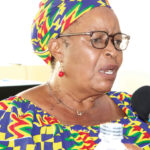




In the rugged hills of Chitipa, where muddy tracks slice through maize fields and heavy rains can wash away entire bridges, one name is starting to echo beyond its ward: Alice Magdalena Chanza.
Best known as the Kapoka Ward Councillor, Chanza has earned her political identity not through fiery speeches or patronage, but through her unrelenting presence in the community. When the Ndendo bridge collapsed last year, cutting farmers off from their nearest market, she was the first to arrive, standing in the mud with her constituents and demanding urgent action.
“Heavy rains have always been washing away the wooden bridge here, and our people have suffered for too long,” Chanza said.
It is this handson leadership visible, practical, and rooted in everyday struggles that has made her a household name in Chitipa. Her supporters describe her as a fresh voice in Malawi’s politics, grounded in the realities of informal workers, vendors, and smallholder farmers.
“She listens,” recalls vendor Grifin Nyondo, a member of the Malawi Union for Informal Sector (MUFIS). “Most politicians pass through and disappear, but Alice comes back, even when there is nothing political to gain.”
- Advertisement -
Despite such dedication, Chanza’s journey has been far from smooth. Like many women entering politics, she has faced skepticism, ridicule, and personal attacks, often attacking her physical appearance.
On social media, critics have mocked her looks, reducing her candidacy to a target of insults rather than a subject of serious debate.
“Women in politics are judged on their bodies before their policies,” says Maggie Kathewera-Banda, coordinator of the Gender Coordination Network. “It discourages many from even trying, because they know they will be ridiculed in ways male candidates never are.”
Chanza, however, brushes off the insults. “I cannot spend time responding to jokes about my looks when my people are still cut off by a broken bridge,” she told Times Online.
- Advertisement -
- Advertisement -
Her experience mirrors that of many women across Malawi who are contesting in this election. Campaigning requires resources, fuel, funds for rallies, and access to party structures, resources that men often access more easily. Women must also juggle family responsibilities while navigating cultural stereotypes that question their ability to lead.
“In rural areas, people still believe leadership belongs to men,” notes Moses Mtambo, Ungweru Youth Club Chairperson.
“A woman who is contesting for public office is seen as challenging not just the political order but cultural norms too.” he said
Whether Chanza can successfully leap from ward politics to Parliament remains uncertain. To her supporters, it feels overdue.
“She has proven she can deliver with very little,” says a youth leader, Chancy Mwafulirwa, from Chitipa. “Imagine what she could do with the resources provided to an MP.”
Political analyst Henry Chingaipe said in a political season dominated by familiar names, Chanza represents something rare: a potential fresh voice from Malawi’s forgotten margins.
“Her story speaks to a larger question: Can Malawi’s democracy mature to judge women on merit rather than appearance? Until that shift happens, he said, the ballot will remain skewed and the stage incomplete.
“For democracy to thrive, women must not only be voters but also leaders,” says Habiba Osman, Executive Secretary of the Malawi Human Rights Commission. “Their lived experiences of fetching water, farming under precarious conditions, and raising families in under-resourced villages offer perspectives often missing from the decision-making table.”
Gender activist Emma Kaliya said as Malawians prepare to cast their ballots, Alice Chanza’s resilience highlights both the promise and the problem. Promise, because women like her are stepping forward with courage and people-first agendas.
“Every insult and stereotype reminds the nation of how far it still has to go.”
“Whether her journey ends at the ward level or rises to Parliament will depend not only on her determination but also on whether Malawians are ready to embrace leaders who are judged beyond the ballot and beyond the body,” Kaliya said.